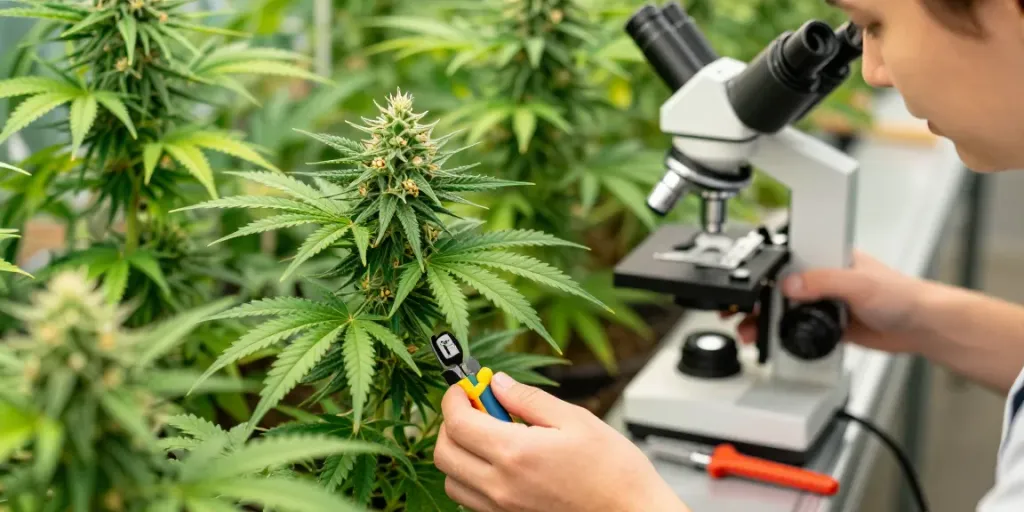
What Are Triploid Seeds?
In the ever-evolving world of cannabis cultivation, understanding the nuances of genetics is crucial for growers seeking to optimize their harvests. One such genetic marvel is the triploid seed, a type of cannabis seed possessing three complete sets of chromosomes. This genetic architecture sets triploid seeds apart from the more common diploid seeds, which only contain two sets. As growers increasingly explore options like triploid seeds, it becomes essential to grasp their genetic basis, advantages, and potential challenges.
The Genetic Basis of Triploid Cannabis
Triploid cannabis plants result from complex breeding methods that induce a third set of chromosomes into a cannabis strain. Typically, breeders start with a diploid parent (two sets of chromosomes) and create a tetraploid parent (four sets of chromosomes). Crossbreeding these sets can yield offspring with three chromosome sets, thus creating triploid seeds. The presence of three complete sets impacts the plant's overall development, leading to significant differences in growth patterns and characteristics compared to diploid plants.
Differences Between Triploid and Other Seed Types
Understanding the distinctions between triploid, feminized, and autoflower seeds is vital for growers making informed decisions. While feminized seeds are engineered to produce female plants, triploid seeds focus on a unique chromosome composition that influences traits like yield, potency, and flowering time. Autoflower seeds, on the other hand, are bred to flower automatically regardless of light cycles, offering a different cultivation approach. Each seed type has its place in the market, but triploid seeds stand out due to their specific genetic advantages.
How Breeders Create Triploid Seeds
The creation of triploid seeds involves careful breeding strategies. Breeders often induce polyploidy—the condition of having more than two paired sets of chromosomes—using chemical agents or specific breeding techniques. This process typically begins with a tetraploid plant, which is then crossed with a diploid plant. The resulting progeny may inherit three sets of chromosomes, producing triploid seeds. This innovative approach allows for the exploration of unique traits that can enhance yield and flower quality.
Advantages of Using Triploid Seeds
Improved Yield Potential and Flower Quality
One of the key benefits of triploid cannabis seeds is their potential for higher yields and better flower quality. Studies indicate that triploid plants can produce significantly larger flowers compared to their diploid counterparts, often ranging from 30% to 100% more in trials. This enhancement can be attributed to their unique genetic structure, which optimizes cell division and nutrient absorption during growth stages, leading to vigorous plants with abundant flower production.
Natural Resistance to Pollination
Another advantage of triploid seeds is their inherent resistance to pollination. Triploid plants typically exhibit reduced fertility, which limits their ability to produce seeds when exposed to pollen. This characteristic is beneficial for growers aiming to cultivate seedless flowers, particularly for commercial purposes. The seedless nature of triploid plants can enhance the marketability of the final product, especially in high-demand cannabis markets where seedless flowers are preferred by consumers.
Enhanced THC and Terpene Production
Triploid cannabis seeds are also associated with increased levels of THC and terpenes. The unique chromosome pairing often results in enhanced biochemical pathways that support the production of these desirable compounds. Growers can expect triploid strains to deliver robust flavor profiles and potent effects, which are critical for satisfying the evolving preferences of cannabis consumers. As the industry continues to grow, these qualities make triploid seeds an attractive option for cultivators.
Challenges and Considerations for Growers
Fertility Concerns with Triploid Plants
Despite their many advantages, triploid seeds pose certain challenges that growers need to be aware of. The reduced fertility associated with triploid plants means that, while they produce more flowers, they may not produce seeds effectively. Growers should prepare for the possibility of limited seed production and plan their breeding programs accordingly. Understanding the implications of reduced fertility can help in managing expectations and optimizing overall cultivation strategies.
Best Practices for Cultivation
To maximize the benefits of triploid seeds, growers should follow best practices in cultivation. These include maintaining optimal growing conditions, such as appropriate light, temperature, and nutrient levels. Regular monitoring for pests and diseases is also essential, as healthy plants will be better able to express the advantages of their genetic structure. Additionally, implementing proper training techniques can help ensure plants develop strong structures to support their heavier flower loads.
Understanding Local Regulations
Before embarking on a cultivation journey with triploid seeds, growers must familiarize themselves with local laws regarding cannabis cultivation. Regulations can vary widely by region, impacting everything from seed purchase to plant growth and distribution. Staying informed about legal requirements is crucial to ensure compliance and successful cultivation.
Comparative Analysis: Triploid vs Feminized vs Autoflower Seeds
Growth Patterns and Flowering Schedules
The growth patterns of triploid seeds significantly differ from those of feminized and autoflower seeds. Triploid plants may require specific light schedules to optimize growth, whereas autoflower plants flower based on age rather than light cycles. Understanding these distinctions allows growers to tailor their cultivation methods to the specific seed type, maximizing efficiency and output.
Potency and Cannabinoid Profiles
In terms of potency, triploid seeds have shown promising results with higher THC concentrations and diverse cannabinoid profiles. Comparatively, feminized seeds primarily focus on producing high-quality flowers and trichomes. Growers opting for triploid seeds can potentially tap into the benefits of both quality and potency in a single strain, making them an enticing choice for those looking to enhance their product offerings.
Choosing the Right Type for Your Needs
Ultimately, the choice between triploid, feminized, and autoflower seeds will depend on the specific goals and constraints of the grower. For those prioritizing yield and quality, triploid seeds may offer substantial advantages. However, growers interested in seed production or easier management might prefer feminized or autoflower seeds. Before making a decision, it's essential to evaluate your individual cultivation objectives.
Future Trends in Cannabis Genetics
Emerging Research on Triploid Strains
The future of cannabis genetics is promising, with ongoing research exploring triploid strains. Geneticists are continually investigating ways to enhance the beneficial traits associated with triploid seeds while minimizing any challenges. This research may lead to new, improved strains that capitalize on the best aspects of triploidy while addressing fertility concerns.
Potential Market Impact by 2026
As the cannabis industry matures, the market impact of triploid seeds is expected to grow. With consumers increasingly seeking high-quality, potent products, the demand for triploid strains may rise significantly. Cultivators who adopt triploid seeds could position themselves advantageously in a competitive market, appealing to discerning consumers looking for unique and premium cannabis offerings.
The Role of Technology in Cannabis Breeding
Technological advancements are set to revolutionize cannabis breeding, including methods for creating and optimizing triploid strains. Innovations in genetic analysis, breeding techniques, and plant tissue culture may further enhance the effectiveness and efficacy of triploid seed production. Growers who stay abreast of these advancements will likely benefit from improved yields, quality, and resilience in their cannabis crops.
Are triploid seeds worth it?
For many growers, the potential benefits of triploid seeds—such as increased yield, potency, and flower quality—far outweigh the challenges. However, it is essential to consider your specific cultivation goals and local conditions before deciding if triploid seeds are the right choice for you.
Where can I buy triploid seeds?
Triploid seeds are available from various reputable seed banks and online retailers. It’s advisable to conduct thorough research and select trusted sources to ensure you're getting high-quality seeds that are true to their genetic lineage.
What is a triploid seed?
A triploid seed is a seed that contains three complete sets of chromosomes, resulting in unique genetic traits that can enhance growth patterns, yield, and potency compared to traditional diploid seeds.
How to make a triploid plant?
Creating a triploid plant typically involves advanced breeding techniques that include inducing tetraploidy in a parent plant and subsequently crossing it with a diploid plant. This process is complex and often requires extensive knowledge of plant genetics and breeding practices.
What are the benefits of triploid cannabis?
Benefits of triploid cannabis include increased yield, enhanced flower quality, natural resistance to pollination, and elevated THC and terpene production. These traits make triploid seeds particularly appealing to both commercial and home growers.