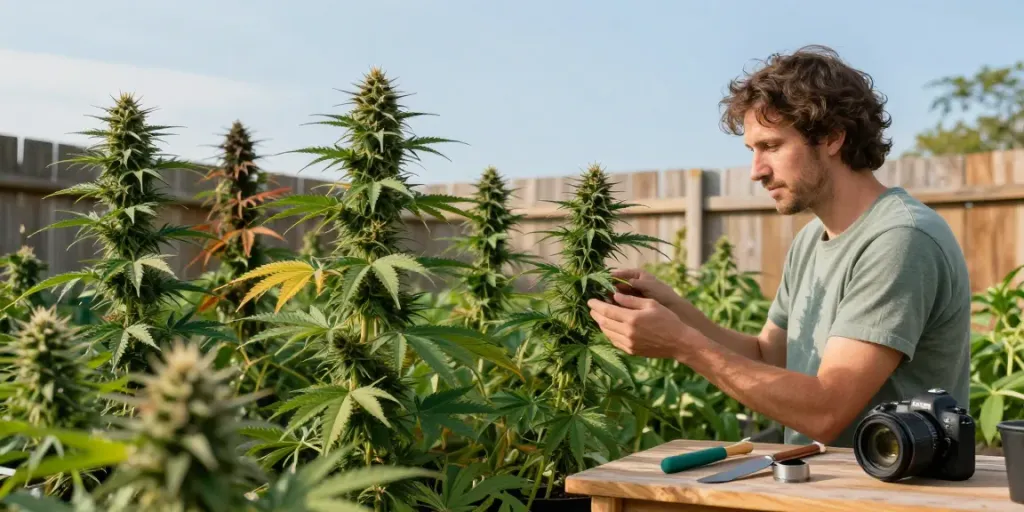
Understanding Autoflower Cannabis Genetics
In the realm of cannabis cultivation, understanding the various types of seeds and their genetics can greatly enhance the growing experience. Autoflower cannabis seeds have gained immense popularity among growers due to their unique traits and benefits. These seeds, derived from the Cannabis ruderalis plant, offer a straightforward approach to growing cannabis without the complexity of managing light cycles. When exploring options, autoflower cannabis genetics provide comprehensive insights into this fascinating aspect of cannabis cultivation, making it easier for both novice and experienced growers alike.
What Are Autoflower Cannabis Seeds?
Autoflower cannabis seeds represent a unique category of cannabis cultivation that transitions from the vegetative phase to the flowering phase based primarily on the plant's age, rather than changes in light cycles. This trait allows for a more predictable and less labor-intensive growing process. Unlike traditional photoperiod cannabis, which requires specific light schedules to trigger flowering, autoflowers flower automatically after a certain period, typically within 8 to 12 weeks from germination.
Genetic Composition and Characteristics
The genetic makeup of autoflower cannabis seeds predominantly includes genetics from the Cannabis ruderalis plant. This species, initially found in Eastern Europe and Russia, possesses the unique ability to flower independently of light exposure. Autoflower seeds are often hybrids, combining ruderalis genetics with more potent strains of Cannabis sativa or Cannabis indica, resulting in diverse cultivars that retain the desirable traits of both parents.
Autoflower genetics can offer a variety of characteristics, including:
- Compact Growth: Autoflower plants tend to be smaller and bushier, making them ideal for indoor grows or limited spaces.
- High Potency: Contrary to early perceptions, modern autoflowers can achieve impressive THC and CBD levels, comparable to their photoperiod counterparts.
- Faster Flowering Times: With flowering initiated by age rather than light cycles, many autoflower strains can be harvested much sooner.
Evolution of Autoflowering Traits
Over the years, breeders have focused on enhancing the traits of autoflower cannabis strains. The evolution has led to strains that not only flower automatically but also exhibit increased potency, improved flavor profiles, and greater resistance to pests and diseases. This evolution has resulted in the emergence of robust autoflower cultivars that cater to various preferences and growing conditions.
Benefits of Growing Autoflower Cannabis
One of the major advantages of autoflower cannabis genetics is their ability to produce high-quality yields in a shorter time frame. This efficiency has made them a go-to choice for many growers. Let's delve deeper into the key benefits of cultivating these exceptional strains.
Faster Growth Cycles and Turnarounds
Autoflower cannabis seeds enable growers to achieve multiple harvests within a single growing season. The shortened life cycle, typically ranging from 8 to 10 weeks from seed to harvest, allows for rapid turnarounds, making it possible to maximize yield in limited timeframes. This benefit is particularly valuable for outdoor growers looking to capitalize on the growing season.
Compact Growth for Small Spaces
The compact nature of autoflowering plants makes them exceptionally well suited for small indoor setups or discreet outdoor growing. They generally reach heights of 2 to 3 feet, making them manageable in smaller grow tents or gardens. This characteristic allows growers with limited space to still enjoy cultivating cannabis without compromising on quality.
High-Potency Yields for All Growers
Modern autoflower strains have proven that they can produce high-potency cannabis comparable to standard photoperiod plants. Breeders have successfully developed autoflowers that deliver impressive THC and CBD levels, thanks to targeted breeding practices. This means that regardless of the grower’s experience level, they can achieve quality yields from their autoflowering plants.
Choosing the Right Autoflower Strain
When selecting an autoflower strain, it is essential to consider various factors to ensure the best growing experience and results. Here we explore some vital aspects to help you make an informed decision.
Popular Autoflower Strains for 2026
As we look into 2026, certain strains have proven to be favorites among growers. Some highly regarded autoflower strains include:
- Royal Gorilla Auto: Known for its high THC content and robust yields.
- Grapefruit’Matic: Offers a sweet citrus flavor with strong euphoric effects.
- Blueberry Auto: A classic strain with delicious flavor and relaxing effects.
- Cinderella Auto: Recognized for its balanced effects and flavor profile.
- Cherry Pie Auto: Offers a sweet taste and euphoric high for daytime use.
Comparing Cultivars: Yield, THC, and CBD Levels
Each autoflower strain comes with its unique yield potential and cannabinoid profile. Before selecting your strain, compare their characteristics such as height, flowering time, and expected yield. For instance, some autoflower strains may yield as much as 400 grams per square meter under optimal conditions, while others may have lower yield expectations. Understanding these metrics will help you choose the right strain based on your growing setup and desired outcomes.
Environmental Considerations for Different Strains
Different autoflower strains may thrive in various environments, so it's crucial to consider your local climate and growing conditions. Indoor growers need to manage light, temperature, and humidity, while outdoor growers must consider seasonal weather patterns. Choosing a strain suited to your environment will maximize growth and yield potential.
Autoflower vs Feminized vs Regular Cannabis Seeds
Understanding the differences between autoflower, feminized, and regular cannabis seeds is essential for growers. Each type serves different purposes and offers distinct advantages depending on the breeding goals.
Understanding Flowering Behaviors
As previously mentioned, autoflower seeds flower based on age rather than light cycles. In contrast, feminized seeds are bred to eliminate male plants, ensuring that growers produce only female plants that yield buds. Regular seeds include both male and female plants and can be used for breeding purposes, but introduce the challenge of managing male plants.
Pros and Cons of Each Type
Each seed type has its pros and cons:
- Autoflower: Quick turnaround times and compact size but may have lower yields compared to some feminized or regular strains.
- Feminized: Guarantees female plants for maximum bud production but requires careful management of light cycles.
- Regular: Offers breeding potential and genetics diversity but may involve risk with male plants.
Choosing the Right Seed Type for Your Needs
Your choice between autoflower, feminized, or regular seeds should be dictated by your growing goals, available space, and experience level. Autoflowers are excellent for beginners or those seeking quick harvests, while feminized seeds may suit growers looking for higher yields in optimized environments. Regular seeds are best suited for those interested in breeding.
Future Trends in Autoflower Cannabis Genetics
The cannabis industry is continually evolving, and autoflower cannabis genetics are no exception. As breeding practices advance, we can expect several exciting trends in the coming years.
Innovations in Breeding and Genetic Selection
Advancements in breeding techniques are likely to lead to the development of even higher quality autoflower strains. Genetic innovations, including gene editing and selective breeding, will continue to enhance traits like potency, flavor, and pest resistance. Growers can expect to see a broader range of options catering to specific preferences and growing conditions.
Market Trends and Consumer Preferences for 2026
As consumer preferences shift, the demand for quality autoflower strains is expected to increase. Growers are likely to focus on unique flavor profiles and specific cannabinoid ratios that cater to diverse consumer needs. Additionally, sustainability in growing practices may influence purchasing decisions, pushing breeders towards developing environmentally friendly autoflower strains.
Expectations for Autoflowering Varieties Moving Forward
Looking ahead, autoflowering varieties are expected to continue gaining popularity. Their ease of use, versatility, and rapid growth cycles make them an attractive option for both commercial and home growers. As breeding programs yield new, exciting cultivars, the future of autoflower cannabis genetics looks promising.
What are the top 10 strongest autoflowers?
The top autoflower strains for strength typically include varieties such as Royal Gorilla Auto, Blueberry Auto, and Zkittlez Auto, with THC levels reaching as high as 25% or more. Strength may vary, so consulting strain reviews and testing results is essential for accurate comparisons.
How much can one autoflower yield?
Yield for an autoflower strain can vary widely depending on the specific cultivar and growing conditions. On average, an experienced grower can expect yields ranging from 100 to 300 grams per plant, with optimal conditions allowing even greater output.
What strain gives the biggest yield?
While different strains boast various yield potentials, strains like Northern Lights Auto and Royal Gorilla Auto are often praised for their robust production capabilities, achieving yields of over 600 grams per square meter under ideal conditions.
What are the best autoflower seeds in 2026?
As market trends evolve, the best autoflower seeds in 2026 are likely to include those with balanced cannabinoid profiles, high yields, and unique flavors. Keeping abreast of breeder releases and community reviews can guide growers in selecting the top strains for their needs.
How do autoflowers compare to photoperiod strains?
Autoflowers generally offer faster growth cycles and ease of cultivation compared to photoperiod strains, which require specific light schedules to flower. Although photoperiod strains may provide higher yields and more potent products, autoflowers are increasingly bridging the gap through advancements in genetics.