
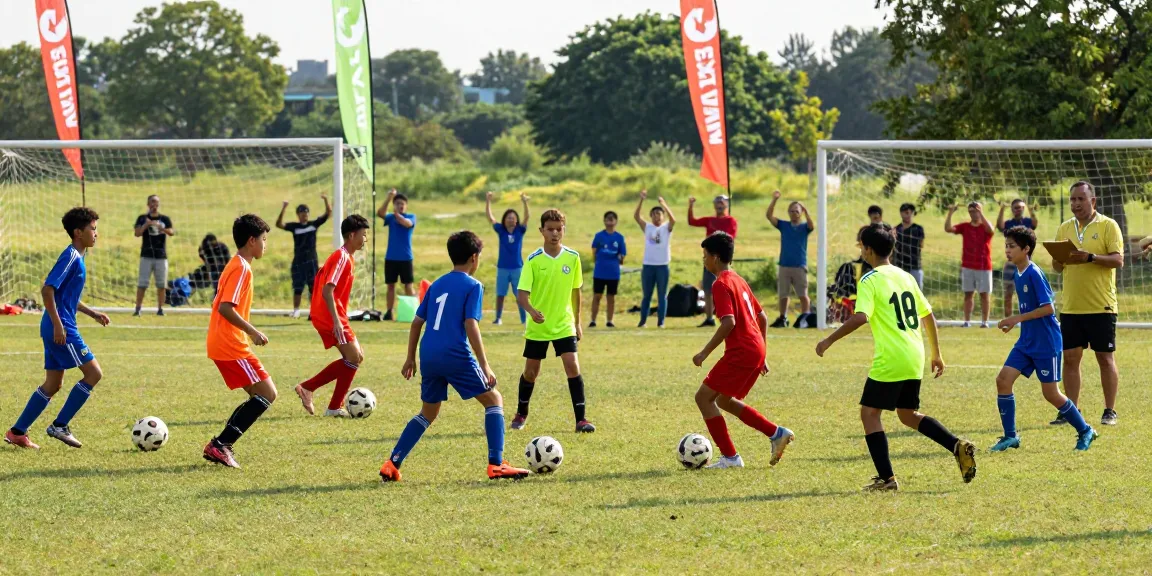
Understanding Youth Soccer Development
As the world of sports continues to evolve, the passion for youth soccer remains steadfast. The importance of developing skills from a young age cannot be overstated. Soccer not only imparts valuable athletic skills but also fosters life lessons such as teamwork, resilience, and discipline. Parents and coaches alike play a crucial role in nurturing these young athletes, ensuring they have the necessary support and resources to thrive on and off the field. Exploring dedicated resources can significantly enhance the experience for both players and their families. For comprehensive insights on youth soccer, https://mequonsoccerclub.com/ serves as an excellent starting point.
Importance of Skill Building in Youth Soccer
Skill building is the cornerstone of youth soccer development. Each player, regardless of their current ability, can benefit from focused training that emphasizes fundamental skills such as dribbling, passing, and shooting. According to the U.S. Soccer Federation, players at a young age should engage in diverse drills that enhance both their technical and tactical abilities. By establishing a solid foundation, young athletes are better prepared to take on competitive challenges as they progress through their soccer journey.
Common Challenges Young Athletes Face
Young athletes often encounter various challenges that can affect their performance and enjoyment of the game. These can include pressure from parents or coaches, the struggle to fit in with peers, or difficulties in balancing soccer with academic responsibilities. Recognizing these obstacles is essential for creating a supportive environment. It’s crucial for coaches and parents to foster open communication, ensuring that young players feel comfortable discussing their experiences and challenges.
Engagement Strategies for Players and Parents
Engaging both players and parents can bolster motivation and commitment to the sport. Clubs can implement regular family meetings, workshops, and social events to strengthen community bonds. Additionally, providing resources that help parents understand the developmental stages of their children’s soccer skills can encourage them to support their athletes effectively. By cultivating a positive environment, young players are more likely to thrive on the field.
Mequon Soccer Club Overview
Founded with a mission to promote soccer at the grassroots level, the Mequon Soccer Club has quickly become a cornerstone of youth sports in the community. The club aims to create an inclusive environment where players of all skill levels can participate and grow. Their dedication to fostering talent and passion for the sport sets them apart among local soccer organizations.
History and Mission of Mequon Soccer Club
Mequon Soccer Club has a rich history rooted in community engagement and excellence in youth development. Since its inception, the club has prioritized inclusivity, ensuring that all children, regardless of background or ability, have the opportunity to learn and enjoy soccer. The mission is clear: to nurture not just skilled players but well-rounded individuals who appreciate teamwork, sportsmanship, and the joy of the game.
Programs Offered: Grouping by Age and Skill Level
The club offers a range of programs tailored to different age groups and skill levels, from introductory classes for the youngest players to competitive teams for advanced athletes. These structured programs are designed to support each player’s individual growth, ensuring appropriate challenges and opportunities for development. As children progress through the age brackets, they can expect to encounter increasingly sophisticated coaching strategies and game scenarios.
Infrastructure and Facilities at Mequon Soccer Club
Mequon Soccer Club boasts state-of-the-art facilities, which include multiple well-maintained fields and training areas. These resources allow for year-round training opportunities and hosting of various events, tournaments, and leagues. The infrastructure is crucial in providing a safe and enjoyable environment for young athletes to learn and compete, contributing to their overall development.
Training Techniques for Success
Effective training is fundamental in preparing young athletes for the demands of soccer. Coaches must employ a variety of techniques that address both individual skills and team dynamics. Incorporating innovative drills and conditioning activities can lead to substantial growth in players’ abilities.
Effective Drills for Skill Enhancement
There is a multitude of drills that coaches can deploy to enhance player skills. For example, simple passing drills can improve accuracy and timing, while dribbling exercises can develop a player’s ability to maneuver past opponents. Utilizing small-sided games can also foster better decision-making skills and improve players’ understanding of positioning and teamwork.
Building Teamwork and Communication on the Field
Soccer is inherently a team sport, and instilling a sense of camaraderie among players is vital. Coaches should encourage communication on and off the field through team-building exercises and regular feedback sessions. Promoting an atmosphere where players feel comfortable sharing ideas will enhance their overall performance and cohesion during matches.
Incorporating Fitness and Conditioning into Training
Physical fitness plays a critical role in soccer performance. A well-rounded conditioning program that includes strength, agility, and endurance training will equip young athletes to handle the physical demands of the game. Coaches must balance training regimens with rest periods to prevent injuries and promote long-term health and performance.
Competition and Growth Opportunities
Participation in organized competitions is essential for youth players, providing them with a platform to showcase their skills, learn from experiences, and grow as athletes. Understanding the competitive landscape can help players and parents navigate their development pathways effectively.
Understanding the Local Soccer League Structure
Local soccer leagues offer varied experiences for young players, with divisions based on skill levels and age groups. Familiarizing families with the league structure can help set realistic expectations for competition and growth. Regular participation in matches within these leagues fosters resilience and adaptability among young athletes.
Significance of Tournaments for Player Development
Tournaments are a vital aspect of youth soccer, offering players the chance to compete against diverse teams and test their skills under pressure. These events can serve as a significant motivator for players and help them develop a deeper understanding of the game. Furthermore, exposure to different playing styles can enhance their adaptability and strategic thinking.
Tracking Progress: Performance Metrics and Evaluations
Monitoring player development through performance metrics is crucial for effective coaching. Coaches can use various tools and techniques to evaluate individual and team progress continuously. Regular assessments not only highlight areas for improvement but also celebrate achievements, encouraging players to strive for excellence.
Future Trends in Youth Soccer for 2026
The landscape of youth soccer is poised for significant changes as we approach 2026. Emerging trends in technology and inclusivity will shape the way players train and engage with the sport, heralding a new era of youth soccer.
Emerging Technologies in Training and Performance
With advancements in technology, tools such as performance analysis software, wearable fitness trackers, and virtual coaching platforms are becoming integral to training regimens. These innovations can provide players and coaches with real-time feedback, aiding in performance improvement and strategic planning.
Promoting Inclusivity and Diversity in Soccer
The movement towards inclusivity in sports is gaining momentum, with more clubs recognizing the importance of diversity. Initiatives aimed at encouraging participation from underrepresented groups are essential in enriching the soccer community. Emphasizing inclusivity not only benefits the individual players but also strengthens the sport as a whole.
Vision for the Future: Goals for Mequon Soccer Club
Looking ahead, Mequon Soccer Club aims to expand its programs and reach within the community. By fostering partnerships with local schools and organizations, the club plans to enhance its offerings while maintaining its commitment to quality youth development. The vision for the future is clear: to empower young athletes to thrive both on and off the field, ensuring a bright future for soccer in the region.
What age groups does Mequon Soccer Club cater to?
Mequon Soccer Club caters to children from as young as four years old through to high school-aged athletes, ensuring inclusivity and development at every stage.
How can parents get involved with the club?
Parents can engage by volunteering for events, aiding in coaching roles, or participating in club meetings to stay informed about the programs and initiatives.
What are the training requirements for young players?
Training requirements vary by age and skill level, but generally, players are encouraged to attend regular practices and participate in matches to enhance their game understanding and skills.
Are there opportunities for scholarships or financial assistance?
Yes, Mequon Soccer Club offers scholarships and financial assistance options for families in need, ensuring access to soccer for all children, regardless of their financial situation.
What plans does Mequon Soccer Club have for future growth?
The club plans to expand its programs, invest in additional training facilities, and continuously evolve its coaching strategies to maintain its commitment to excellence in youth soccer.