
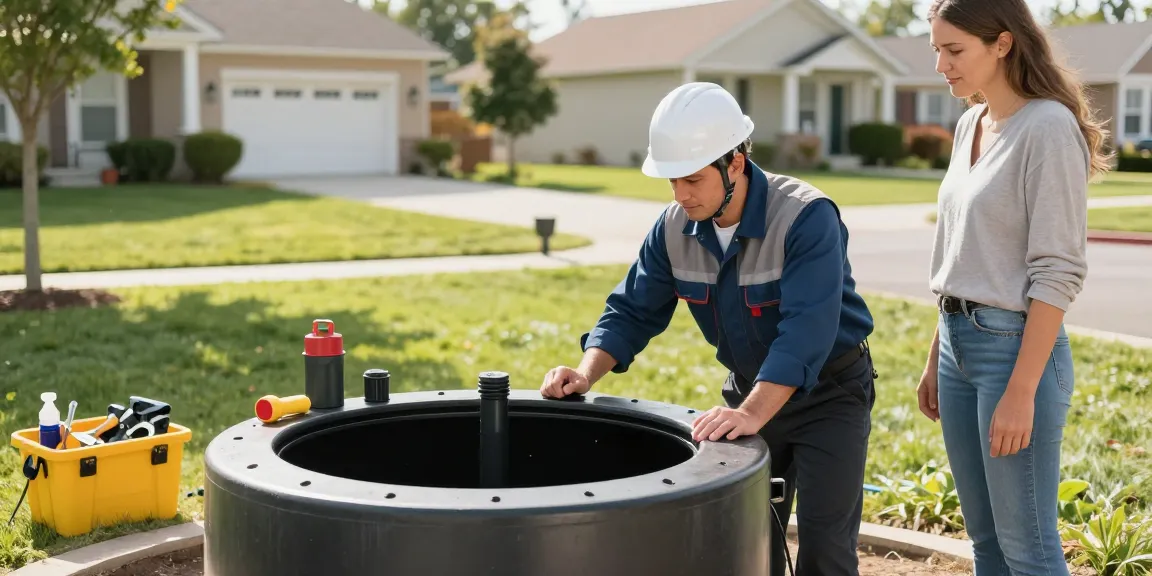
Understanding Septic Pumping: What to Expect
For homeowners and property managers, maintaining a functioning septic system is crucial to avoiding costly repairs and ensuring a healthy environment. One of the most important preventative measures is septic pumping, a service that removes the solid waste that accumulates in your septic tank. Understanding the septic pumping process, including when it’s necessary and how to select a reliable provider, can make a significant difference in the long-term health of your septic system.
What is Septic Pumping?
Septic pumping refers to the process of removing the solid waste and sludge that accumulates in a septic tank. This procedure is essential for maintaining your septic system’s functionality. During the pumping process, a licensed septic technician uses a vacuum truck to extract the waste, which is then transported to a treatment facility for proper disposal.
Signs Your Septic System Needs Pumping
Recognizing the signs that your septic system requires pumping is vital for preventing backups and costly repairs. Some common indicators include:
- Slow drains or gurgling sounds in your plumbing.
- Unpleasant odors from your drains or yard.
- Water pooling in your yard, particularly near the septic tank or drain field.
- Bright green grass over the septic area, indicating excess nutrient flow from the tank.
Benefits of Regular Septic Pumping
Regular septic pumping offers numerous benefits, including:
- Preventing overflow and backups that can damage your property.
- Extending the life of your septic system.
- Saving you money by avoiding costly repairs and replacements.
- Maintaining a clean and healthy environment for your family and neighbors.
How to Choose the Right Local Septic Pumping Provider
Choosing a reliable septic pumping service is essential for ensuring your system’s health. Here are some tips to help you make an informed decision:
Key Qualifications to Look For
When selecting a septic pumping provider, consider the following qualifications:
- Licensing: Ensure they have the appropriate licenses issued by your state or local authority.
- Insurance: Verify that they carry general liability insurance and workers’ compensation to protect you in case of accidents.
- Experience: Look for companies with a proven track record of reliable service.
Reading Customer Reviews and Testimonials
Read customer reviews on platforms like Yelp, Google, or Angie’s List to gauge the experiences of previous clients. Positive feedback is a good indicator of reliability, while complaints can serve as red flags for potential issues.
Asking the Right Questions During Your Consultation
When consulting with a septic pumping provider, be proactive and ask questions such as:
- How long have you been in business?
- What does the pumping service include?
- Can you provide references from previous clients?
Septic Pumping Costs: A Comprehensive Pricing Guide
Understanding the cost associated with septic pumping services can help you budget effectively and avoid unexpected expenses. The average costs for septic pumping typically range from $250 to $895, depending on various factors.
Average Costs for Septic Pumping Services
The cost of septic pumping can vary based on the size of your tank and the specific services required. Generally, you can expect:
- Small tanks (750 gallons): $250 – $500
- Medium tanks (1,000 gallons): $400 – $700
- Large tanks (1,500 gallons and above): $600 – $895
Factors Affecting Pumping Prices
Several factors can influence the overall cost of septic pumping, including:
- Location: Rates can vary by region or city.
- Tank Size: Larger tanks require more time and resources to pump.
- Service Frequency: Regular maintenance may reduce overall costs.
Understanding Quotes: What’s Included?
When requesting estimates, ensure you understand what services are included. Look for details on:
- The cost of pumping, disposal, and potential repairs.
- Any additional fees for emergency or after-hours services.
- Service warranties or guarantees offered.
Licensing and Insurance Requirements for Septic Services
Working with licensed and insured providers is crucial for legal and safety reasons. Ensuring compliance with regulations protects both you and the service provider.
Why Licensing Matters in Septic Pumping
Licensing indicates that a septic service provider has met state standards for training and knowledge, ensuring that they can handle your system safely and effectively.
Important Insurance Coverages to Verify
Check that your contractor has liability insurance and workers’ compensation to avoid financial responsibility in case of injury or property damage during the job.
Local Regulations and Compliance You Should Know
Each region or city may have specific regulations concerning septic systems. Familiarizing yourself with local laws can help you avoid fines and ensure your system operates within required guidelines.
Emergency Septic Pumping Services: What to Do When in Crisis
Septic emergencies can arise suddenly, requiring prompt action. Knowing what to do can help you manage the situation effectively.
Identifying Emergency Situations
Common signs of septic emergencies include:
- Overflowing tanks or sewage backups in your home.
- Odors that are distinctly foul near your septic tank or drain field.
- Water pooling in areas where it normally should not be.
How to Contact Emergency Services Quickly
If you identify an emergency, contact your chosen provider immediately. Keep their contact information easily accessible and follow any instructions they provide while waiting for assistance.
Preparing for Unexpected Pumping Needs
It’s helpful to proactively maintain your septic system by scheduling regular inspections and pumping services. Keeping a log of your system’s maintenance history can also help technicians diagnose any sudden issues efficiently.
How Often Should I Schedule Septic Pumping?
Generally, it’s recommended to pump your septic tank every 3-5 years, depending on its size and the number of people in your household.
What Happens During a Septic Pumping Service?
A technician will assess your tank, remove the sludge, and dispose of it properly. They may also inspect your system for any potential issues.
Can I Perform DIY Septic Pumping?
DIY septic pumping is not recommended, as it requires specialized equipment and knowledge to avoid damaging your system or causing health hazards.. Additionally, Miltonsepticpumping.com provides further details.
