Understanding Split Cannabis: What You Need to Know
As the cannabis industry continues to evolve, one of the most intriguing developments has been the emergence of Split Cannabis. This innovative concept involves the cultivation of cannabis strains that are specifically bred for distinct characteristics, often combining the best elements of sativa and indica genetics. The split method not only enhances the plant's growth potential but also diversifies the range of effects it can provide to users. In this article, we will explore the defining traits of Split Cannabis, how it differs from traditional strains, and the benefits it offers to cultivators. Additionally, we will provide best practices for cultivation, harvesting, processing, and delve into market trends for 2026 and beyond.
Defining Split Cannabis and Its Characteristics
At its core, Split Cannabis refers to strains that are bred through a meticulous process of hybridization, focusing on selecting parent plants that offer a wide array of desirable traits. These traits can include high THC or CBD levels, specific aromas, and unique flavor profiles that cater to consumer preferences. The split methodology allows cultivators to create hybrids that not only have diverse cannabinoid and terpene profiles but also exhibit robust growth characteristics, which can lead to improved yields and resilience against environmental stresses.
Key Differences Between Split Cannabis and Other Strains
Traditional cannabis strains are often bred with a singular focus in mind, whether it be potency, flavor, or growth ease. Split Cannabis, on the other hand, emphasizes a balanced approach by integrating traits from both indica and sativa varieties, leading to a more complex and adaptable plant. For instance, while many sativa strains provide an energetic high, Split Cannabis can offer both the uplifting effects of sativa and the calming benefits of indica, fitting the needs of a broader range of users. This hybrid vigor often results in plants that are not only more viable in diverse growing conditions but also exhibit enhanced resistance to pests and diseases.
Benefits of Growing Split Cannabis for Cultivators
- Diversity: The ability to cultivate a variety of hybrid traits allows growers to tailor their crops to meet specific market demands.
- Increased Resilience: Split Cannabis strains often show improved resistance to common pests and diseases, reducing the need for chemical interventions.
- Higher Yields: The hybrid vigor associated with Split Cannabis can lead to better growth rates and yields, making it a more lucrative option for cultivators.
- Enhanced Consumer Appeal: With unique flavors and balanced effects, Split Cannabis can attract a wider audience, including both recreational and medicinal users.
Best Practices for Cultivating Split Cannabis
Optimal Growth Conditions for Split Cannabis Plants
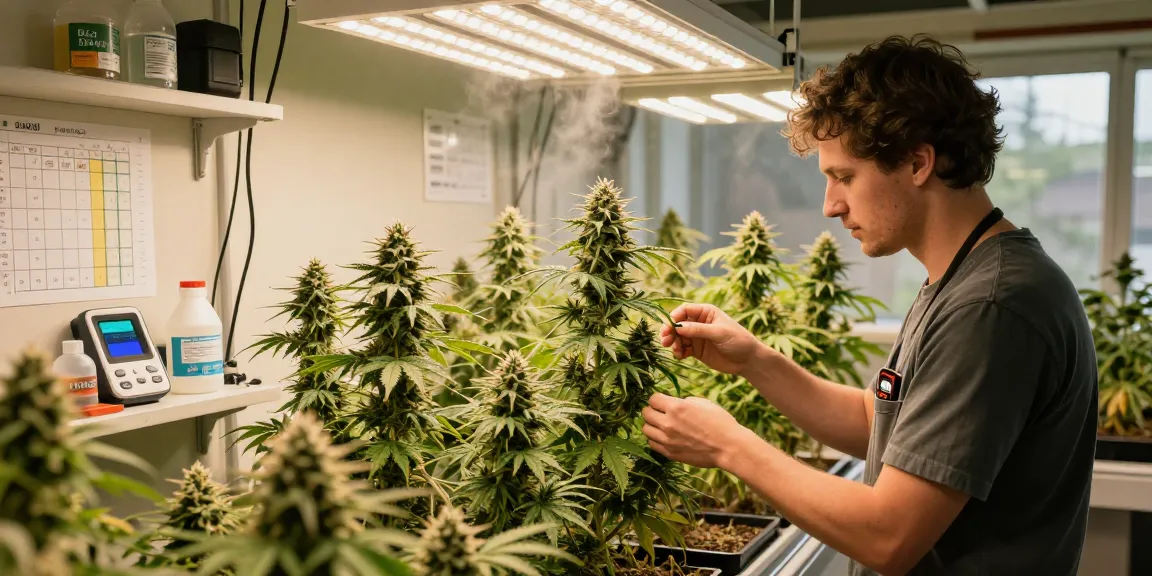
To maximize the benefits of Split Cannabis cultivation, understanding the optimal growth conditions is essential. These plants thrive in a well-regulated environment that balances light, temperature, and humidity. Ideally, they should receive 18-24 hours of light during the vegetative stage, which can be achieved using high-quality LED grow lights. Maintaining a temperature range of 70-85°F (21-29°C) during the day and slightly cooler at night helps in promoting robust growth.
Nutrient Requirements and Feeding Schedules
Like all cannabis plants, Split Cannabis requires a balanced nutrient profile, including nitrogen, phosphorus, potassium, and essential micronutrients. A feeding plan that adjusts according to the plant's growth stage is crucial. During the vegetative phase, nitrogen levels should be higher to support foliage growth, while the flowering stage requires greater phosphorus and potassium levels to enhance bud development. Utilizing organic nutrients can also promote healthier growth and enhance the final product's quality.
Common Pests and Diseases Affecting Split Cannabis
Despite their enhanced resilience, Split Cannabis strains are not immune to pests and diseases. Common threats include aphids, spider mites, and powdery mildew. Implementing integrated pest management (IPM) strategies, such as introducing beneficial insects and maintaining optimal humidity levels, can help mitigate these risks. Regular monitoring of plant health and immediate action upon noticing any symptoms can prevent widespread issues and ensure thriving crops.
Harvesting and Processing Split Cannabis
When to Harvest: The Right Timing for Split Cannabis
Timing is critical when harvesting Split Cannabis. Growers should look for visual cues like trichome coloration and leaf yellowing. Ideally, plants should be harvested when trichomes appear milky white with some turning amber, indicating peak potency. This period typically falls between 8-12 weeks after flowering, depending on the specific strain and growing conditions.
Techniques for Properly Drying and Curing
After harvesting, proper drying and curing are vital to preserving the quality of Split Cannabis. The drying process should occur in a controlled environment with temperatures around 60-70°F (15-21°C) and humidity levels between 45-55%. Once the buds are adequately dried, curing them in airtight containers can enhance the flavor and potency by allowing the remaining moisture to equilibrate and the terpenes to develop further.
Storing Split Cannabis for Maximum Freshness
To maintain the freshness and potency of Split Cannabis, it should be stored in a cool, dark place, away from direct light and moisture. Using airtight glass jars is ideal, as they can help reduce exposure to air and humidity, which can degrade the quality over time. Regularly checking stored cannabis for mold or degradation ensures that the product remains in top condition for consumers.
Market Trends and Future of Split Cannabis
Consumer Preferences Shaping the Market in 2026
As we look ahead to 2026, the cannabis market is poised for significant changes driven by evolving consumer preferences. More users are seeking tailored experiences, leading to an increased demand for hybrid strains like Split Cannabis. The emphasis on health and wellness is also influencing purchasing decisions, with consumers leaning towards products that offer not just recreational benefits but also therapeutic effects.
Innovations and Emerging Techniques in Cannabis Cultivation
Innovations in cultivation techniques, such as aquaponics and vertical farming, are becoming more prevalent, allowing cultivators to maximize space and resources. These methods, combined with precise genetic breeding techniques for Split Cannabis, can lead to even more specialized strains that meet the diverse needs of the market. Technology will undoubtedly play a crucial role in the future of cannabis cultivation, shaping both the types of products available and the methods used to produce them.
Legal Considerations: Regulations Affecting Split Cannabis
As cannabis legislation continues to evolve across various regions, understanding the legal considerations surrounding Split Cannabis cultivation is essential for growers. Keeping abreast of local regulations, including licensing requirements and compliance with safety standards, is critical to operating legally and successfully. Furthermore, as the market grows, there may be increased scrutiny regarding product labeling and marketing practices, making compliance more important than ever.
Frequently Asked Questions about Split Cannabis
What is the ideal growing environment for Split Cannabis?
The ideal growing environment for Split Cannabis includes a temperature range of 70-85°F (21-29°C) with controlled humidity levels. Consistent lighting schedules and proper ventilation are also crucial in achieving optimal growth.
How does Split Cannabis compare to traditional strains?
Split Cannabis differs from traditional strains by integrating characteristics from both sativa and indica varieties, leading to a more versatile plant that can offer a balance of effects, flavors, and growth traits.
What challenges might I face when growing Split Cannabis?
While Split Cannabis can be more resilient, challenges such as pest management, optimal nutrient balance, and environmental control still exist. Growers must remain vigilant to ensure healthy plants.
What are the best products to use for Split Cannabis care?
Using high-quality organic fertilizers, integrated pest management tools, and proper humidifiers can greatly enhance the growth and health of Split Cannabis plants.
How can I maximize my yield with Split Cannabis?
Maximizing yield can be achieved through careful strain selection, maintaining optimal growing conditions, and employing effective training techniques like topping or low-stress training to enhance light penetration and airflow.