
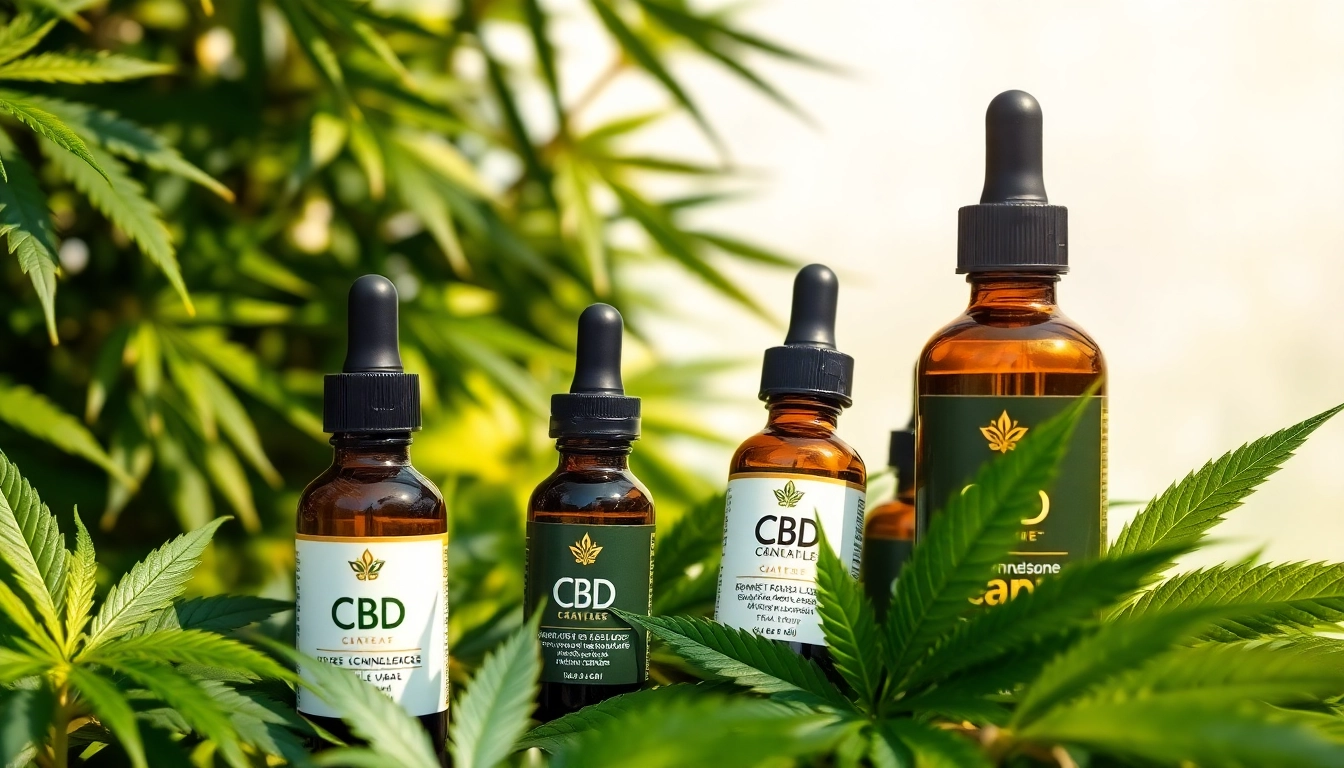
Introduction to CBD and Its Importance
Cannabidiol, commonly referred to as CBD, is a non-psychoactive compound derived from the cannabis plant. Its significance has surged in recent years as more individuals seek natural alternatives for health and wellness solutions. With a growing body of research highlighting its myriad benefits, CBD has become a focal point in discussions surrounding alternative medicine, regulatory challenges, and consumer safety. Understanding what CBD is, its origins, and its place in modern health practices is essential for anyone looking to explore its potential.
What is CBD?
CBD is one of over a hundred cannabinoids found in cannabis sativa plants, including both marijuana and hemp. Unlike tetrahydrocannabinol (THC), the psychoactive component of cannabis, CBD does not induce feelings of euphoria or intoxication. This unique property makes it appealing for those seeking the therapeutic benefits of cannabis without the high associated with THC. CBD can be found in various forms, including oils, edibles, tinctures, and topicals, allowing consumers to choose how they prefer to incorporate it into their daily routines.
The Origin and Extraction of CBD
The extraction of CBD typically occurs through methods like CO2 extraction, ethanol extraction, or olive oil extraction from hemp plants. Hemp, which is legally required to contain less than 0.3% THC, provides a rich source of CBD without the intoxicating effects associated with marijuana. CO2 extraction is particularly popular because it yields high-quality CBD oil, preserving the plant's natural terpenes and phytocannabinoids while ensuring a clean, solvent-free final product. As demand for CBD products rises, understanding the extraction methods can help consumers make informed choices about the quality and safety of the products they use.
Why CBD Matters in Modern Wellness
In today's fast-paced world, stress and anxiety have become prevalent issues. As people increasingly seek natural remedies for their health concerns, CBD has emerged as a popular option due to its potential therapeutic effects. Studies indicate that CBD may help alleviate symptoms of anxiety and stress, improve sleep quality, and provide relief from chronic pain, making it an appealing choice for many. The growing acceptance of CBD in wellness routines signifies a shift towards holistic health practices, where natural solutions play a central role in achieving optimal well-being.
Health Benefits of CBD
Research into the health benefits of CBD continues to evolve, with numerous studies substantiating its potential within various therapeutic contexts. The following sections delve into some of the most researched effects of CBD, illuminating its way into the wellness spotlight.
How CBD May Alleviate Anxiety and Stress
One of the most notable benefits of CBD is its ability to help reduce anxiety. CBD interacts with the body's endocannabinoid system, which plays a crucial role in regulating mood and stress responses. Studies have shown that CBD may help mitigate anxiety symptoms in individuals with generalized anxiety disorder, social anxiety disorder, and post-traumatic stress disorder. Furthermore, its potential to promote a sense of calm without sedation makes it an attractive alternative to traditional anxiolytics, which often carry significant side effects and risk of dependency.
Impact of CBD on Chronic Pain Management
Chronic pain is a pervasive issue affecting millions globally. Research suggests that CBD may offer therapeutic benefits for pain management by reducing inflammation and interacting with neurotransmitters. Conditions such as arthritis, fibromyalgia, and multiple sclerosis symptoms have shown promising responses to CBD treatment. Moreover, clinical trials have indicated that full-spectrum CBD products, which include multiple cannabinoids and terpenes, can enhance the overall analgesic effects. As pain management strategies seek to become more holistic, CBD provides a compelling option alongside traditional methods.
Potential Benefits for Neurological Disorders
Emerging studies highlight the potential of CBD in treating neurological disorders. For example, CBD has been shown to reduce seizure frequency in treatment-resistant epilepsy syndromes, such as Dravet syndrome and Lennox-Gastaut syndrome. Additionally, its neuroprotective properties suggest a role in mitigating the effects of neurodegenerative diseases like Alzheimer’s and Parkinson’s. The research continues to expand, showcasing CBD's promise as a therapeutic agent in neurological health while emphasizing the need for further clinical investigation.
Common CBD Product Types and Uses
The market offers a diverse array of CBD products, catering to various preferences and health needs. Understanding the different types of products available can help consumers select the most appropriate option for their lifestyle and wellness goals.
Exploring CBD Oils and Tinctures
CBD oil and tinctures are among the most popular forms of CBD, favored for their versatility and ease of use. Typically administered sublingually, these products allow for rapid absorption into the bloodstream, providing relatively quick relief from symptoms. CBD oils vary in potency and formulation, so consumers should seek high-quality products that undergo third-party testing for purity and potency. This method ensures they are receiving an effective dose without the impurities that can compromise safety.
The Role of CBD Edibles in Daily Wellness
CBD edibles, including gummies, capsules, and beverages, are a convenient and tasty way to incorporate CBD into one’s dietary routine. Edibles can take longer to take effect compared to oils due to the digestion process; however, they offer a discreet and enjoyable method for consumption. Consumers need to monitor the dosage in edibles, as concentration can vary significantly between different products. Additionally, users should choose edibles sourced from reputable manufacturers who provide transparent ingredient lists and third-party lab results.
Using CBD Topicals for Targeted Relief
For individuals seeking localized relief, CBD topicals—such as balms, creams, and salves—can provide anti-inflammatory benefits directly to targeted areas. These products are ideal for managing pain from arthritis, muscle soreness, or skin irritations. Unlike oils or edibles, topicals do not enter the bloodstream and work primarily on the area to which they are applied, making them particularly suitable for those wary of systemic effects. Users should look for topicals that contain additional therapeutic ingredients, such as menthol or arnica, to enhance the overall effect.
Understanding CBD Safety and Side Effects
As CBD gains popularity, understanding its safety profile and potential side effects is crucial. Although many users report positive experiences, it is important to approach CBD with an informed perspective.
Common Side Effects and How to Manage Them
While CBD is generally well-tolerated, some individuals may experience side effects, including dry mouth, fatigue, and changes in appetite. These effects can often be managed by adjusting the dosage or frequency of use. Staying hydrated and beginning with a lower dose can minimize initial side effects, enabling the user to gradually increase their intake based on their needs and tolerance. It is advisable to consult healthcare professionals when starting CBD, especially for individuals who are on concurrent medications.
Interactions Between CBD and Medications
CBD may interact with certain medications by inhibiting enzymes in the liver that metabolize drugs, potentially altering their effectiveness. Individuals on medications such as blood thinners, antidepressants, or anticonvulsants should proceed with caution and consult their healthcare provider to assess potential interactions before adding CBD to their routine. Understanding these interactions is essential for preventing adverse effects and ensuring the safe integration of CBD into existing treatment plans.
What to Consider Before Starting CBD
Before beginning CBD, consumers should consider their reasons for use, dosage, product quality, and potential legal implications. It is important to conduct thorough research to select reputable brands that provide transparency regarding product sourcing and testing. Moreover, understanding the legal landscape surrounding CBD in their location is essential, as regulations can vary significantly. Establishing a clear understanding of both product and personal health considerations can lead to a more informed and effective choice.
Future of CBD in Health and Wellness
The landscape of CBD is continuously evolving as research expands, consumer demand grows, and regulations develop. The future of CBD in health and wellness holds significant promise, shaped by emerging trends and scientific inquiry.
Emerging Research and Trends in CBD Usage
Ongoing clinical research continues to uncover new potential benefits and applications of CBD in various health contexts. Trends in consumer behavior indicate a movement toward combining CBD with other natural compounds, such as adaptogens, to enhance wellness benefits. Furthermore, personalized CBD dosing strategies may evolve as more data becomes available, allowing for improved efficacy tailored to individual health needs. As public interest in CBD grows, education around its use, benefits, and limitations will be crucial for fostering informed consumer choices.
The Regulatory Landscape for CBD Products
The regulation of CBD products remains a complex and dynamic aspect of the industry. As more states and countries establish frameworks for the sale and use of CBD, consumers are encouraged to stay informed about changes in legislation that may affect product availability and quality standards. Regulatory oversight can play a significant role in ensuring consumer safety and product integrity. Advocacy for standardized regulations and intellectual property protections will further enhance market stability as the industry matures.
Building Credibility: Choosing Quality CBD Brands
As the market for CBD expands, so does the necessity for consumers to differentiate between high-quality products and those that may be subpar or misleadingly marketed. Prioritizing brands that provide third-party lab testing results, clear sourcing information, and customer transparency can significantly impact product quality and user satisfaction. Consumer reviews and experiences can also serve as valuable resources for gauging product credibility. A discerning approach will empower individuals to fully harness the benefits of CBD while minimizing risk.